
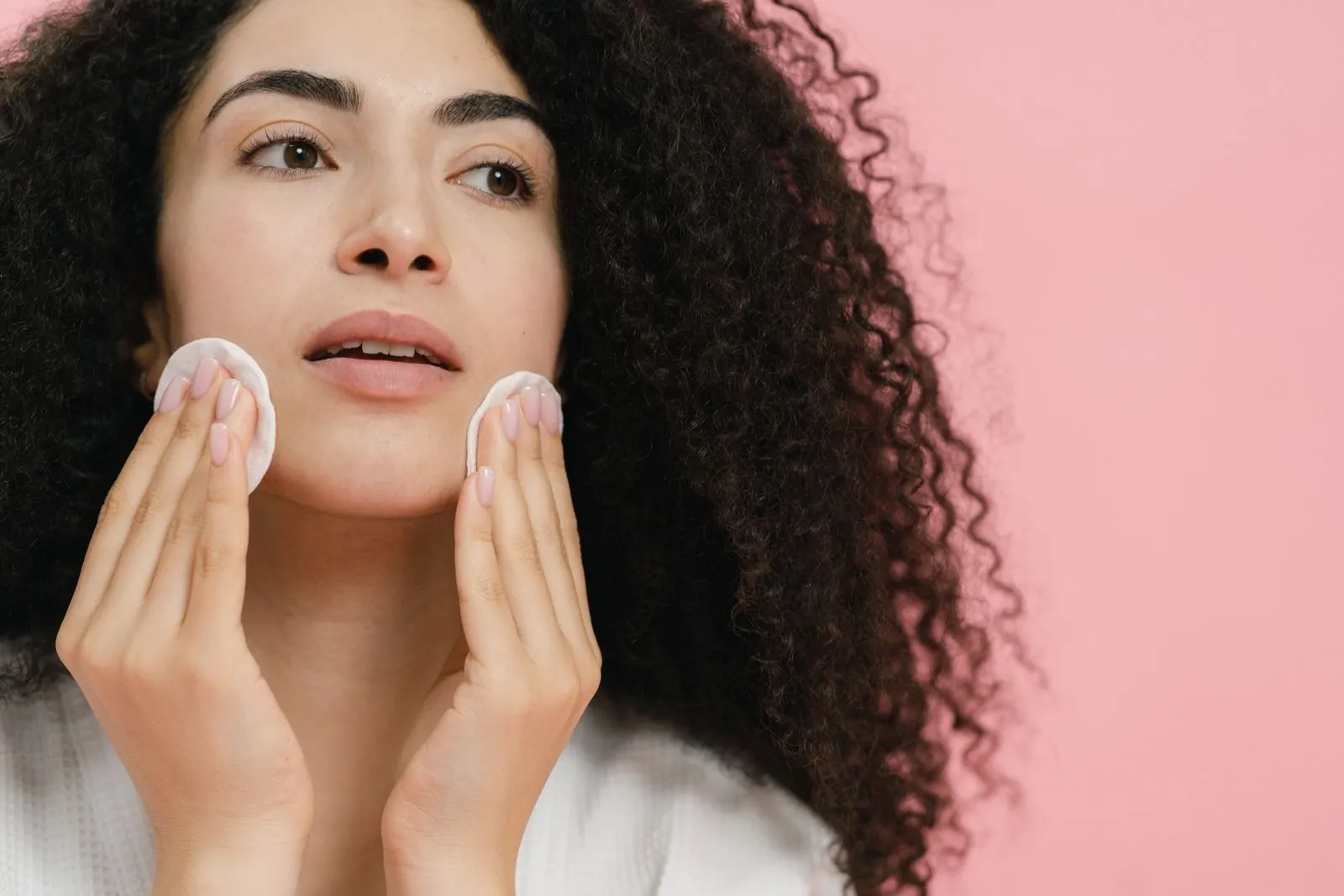
Pregnancy can change your skin in ways you may notice from week to week. Hormonal shifts and changes in circulation can bring more oil, new breakouts, extra sensitivity, or darker patches. Some changes are common and temporary, while others deserve a prompt conversation with your healthcare provider. A simple, gentle routine can help you stay comfortable, but products that worked before pregnancy may not be the right fit now. Here’s what to look for and when to ask for personalized guidance.
Oiliness, Breakouts, and Dryness
Hormone changes can increase oil production, which may contribute to clogged pores and acne. Some people instead notice tightness, flaking, or a mix of oily and dry areas. Skin can also react differently to familiar products. Choose a gentle cleanser and a moisturizer suited to how your skin feels, and avoid scrubbing or picking at blemishes.
Check with your obstetrician, midwife, or dermatologist before starting acne treatments during pregnancy. Some ingredients are not recommended, and the right choice depends on your health and stage of pregnancy. A skincare professional can help you review your routine and identify questions to bring to your medical provider, but should not diagnose a rash or prescribe treatment.
Sensitivity and Visible Changes
Skin may become more reactive, with stinging, redness, or dryness after products you previously tolerated. Keep your routine simple, introduce only one new product at a time, and stop using anything that causes a reaction. A broad-spectrum sunscreen and protective clothing can also help limit sun-related irritation and darkening.
You may see darker patches on the face, often called melasma, or darkening around the nipples, underarms, or other areas. A line down the abdomen can also become more noticeable. These changes are often related to pregnancy and may fade after birth, though timing varies. Sun protection may help keep facial pigmentation from becoming more pronounced.
Stretch Marks and Itching
As your body changes, stretch marks may appear on the abdomen, breasts, hips, or thighs. They often start pink, red, or darker than nearby skin and can gradually become less noticeable. Moisturizer may ease dryness or tightness, but no topical product can guarantee prevention. If a product irritates your skin, discontinue it and ask a healthcare professional what to try instead.
Mild itching can accompany stretching or dryness, but intense or widespread itching—especially on the palms or soles—needs prompt medical advice. Contact your pregnancy care provider rather than trying to manage persistent itching with skincare alone. Seek urgent care for a rapidly spreading rash, facial swelling, trouble breathing, or other severe symptoms.
When to Seek Personalized Guidance
Ask a medical provider about new, painful, persistent, or rapidly changing skin symptoms. Before using a medicated cream, acne product, peel, or other active treatment, confirm that it is appropriate during pregnancy with your obstetrician, midwife, or dermatologist. Bring the product label or a list of ingredients so they can give specific advice.
For routine comfort and product selection, a pregnancy-aware skincare professional can help you simplify your regimen and spot ingredients worth checking with your medical provider. Share what you use, what has changed, and any known sensitivities. At Bump & Bloom in Portsmouth, NH, you can ask for guidance tailored to your current routine and comfort needs.
Pregnancy can bring anything from temporary breakouts to pigmentation and increased sensitivity. Keep care gentle, protect your skin from the sun, and check with your pregnancy care provider before starting active treatments. For help reviewing a routine, reach out to a qualified skincare professional and bring your questions and product list.